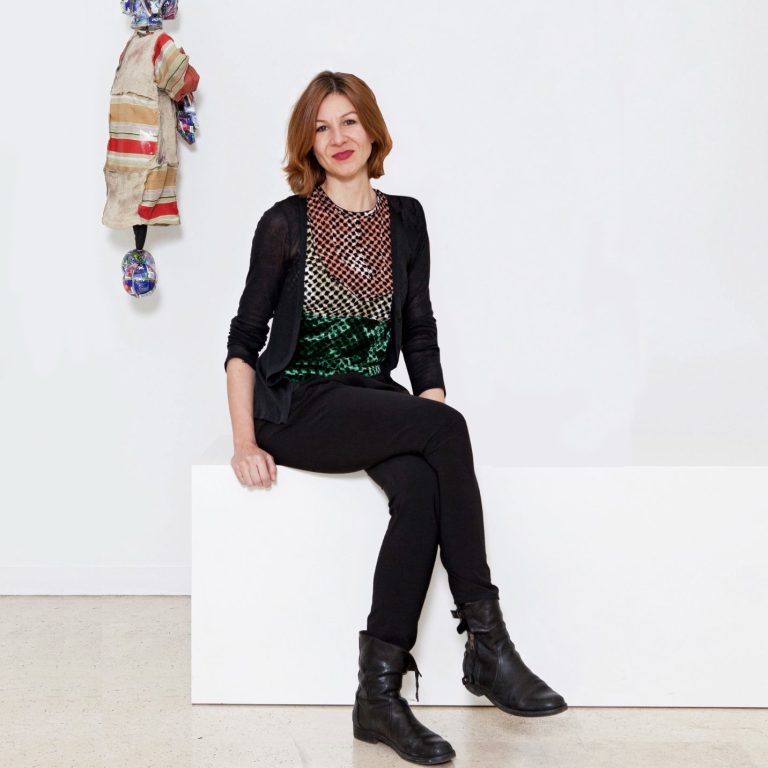
Eloísa Ávila, president of Nasar Foundation.
With a career that bridges business management, art, and culture, her work unites humanistic and scientific perspectives through cultural projects, publishing, and consultancy, fostering dialogue between private institutions, public entities, and local communities. Drawing on her international experience in Europe, Latin America, and Asia, as well as her commitment to Granada’s intercultural legacy, she promotes transdisciplinary research, social transformation, and sustainable development. Her projects consistently seek to connect diverse voices and knowledge systems, generating innovative and culturally meaningful solutions for global well-being.
Our mission
We are a cultural foundation based in Granada, Spain, dedicated to creating spaces where creativity, scientific knowledge, and cultural traditions meet. We strive to contribute to global goals of sustainability and social justice through projects that integrate art, education, and community.
Our vision
To become an international reference in building bridges between disciplines, cultures, and territories, inspiring collective solutions to the challenges of our time.
Our values
Transdisciplinarity and intercultural dialogue / Respect for cultural and natural diversity / Social innovation and collective creativity / Commitment to sustainability and inclusion.
Our principles
Working together
We bring together scientists, artists, communities, and all kinds of knowledge to solve big challenges.
Connecting science and art
Science explains the world, and art helps us imagine and feel it. We want both to come together to create solutions that are useful, beautiful, and inspiring.
Caring for nature and people
One of the main goals is sustainability: taking care of the planet and all who live on it, while thinking of future generations.
Creating new ways of living better
We seek social innovation: inventing new ways of living, learning, and working together so life can be fairer and more supportive.
Valuing all forms of knowledge
It’s not only what books or universities say that matters. The knowledge of communities, local people, elders, and everyday experience is also precious. Together they form a great treasure of ideas.